
Oct. 22, 2026
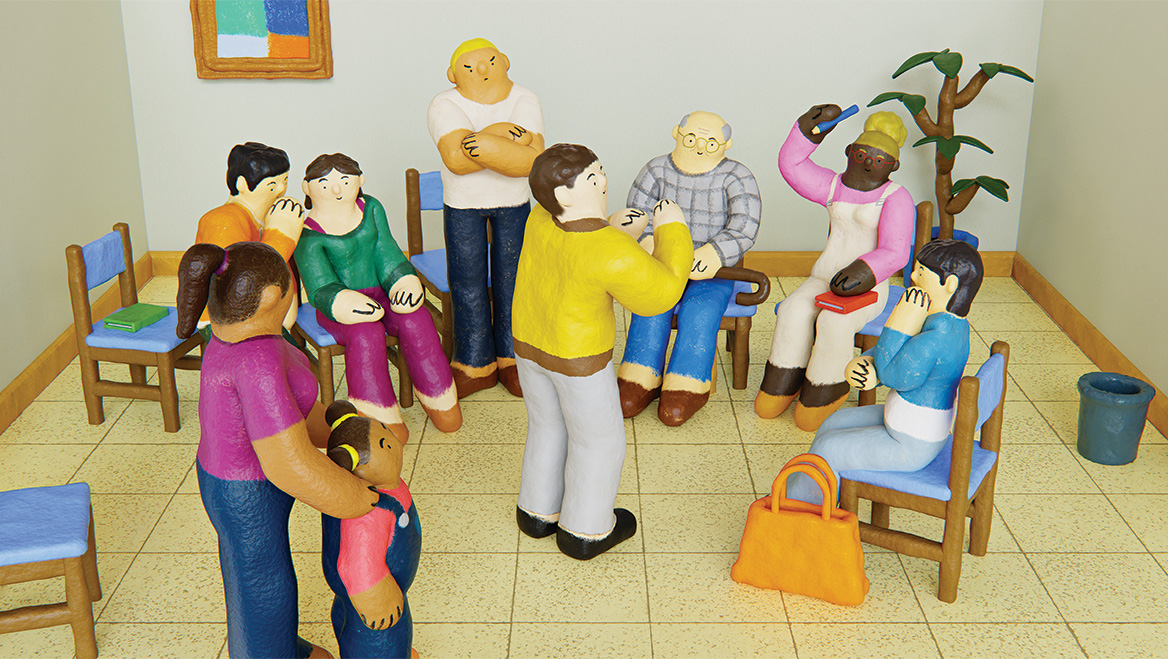
The room was packed. A regional fast-food chain had applied for a rezoning, and the residents of a small North Carolina town had shown up to stop it. The tension was palpable. It was that particular sense of organized displeasure every planner eventually learns to dread.
A young planner stepped up to the podium. He had just finished working on the town’s first comprehensive plan update in more than 40 years — a months-long process that involved hundreds of residents. In that plan, the proposed fast-food site was designated for exactly this kind of commercial user.
So, he told the room full of angry residents that they were wrong; that they should have shown up before the plan was done; and that the plan supported the rezoning. There were gasps and then groans. Finally, there was pure outrage. The audience wanted the planner fired.
That planner was me.
I’ve spent the last 16 years trying to correct what I did in that room that night. What I got wrong wasn’t the substance; it was the framing, the posture, and the failure to understand that being right and being effective are not the same thing. That night taught me something: The words we choose carry as much weight as the plans we write — and getting them wrong can cost us the very influence we need to do this work well.
Can we both be honest and disagree at the same time? Here are three scenarios for how to approach communication more effectively.
How to put a halt to hostility
Something has shifted in public engagement. At hearings, planners are facing opposition with coordinated talking points, and the hostility isn’t always about the project.
Let me say the quiet part out loud: It hurts. There is a specific wound that comes from standing in front of people you genuinely serve and being met with contempt, and planners almost never talk about it. We replay it at 2 a.m., and then we show up and go through it all over again.
What I got wrong wasn’t the substance; it was the framing, the posture, and the failure to understand that being right and effective are not the same thing.
What can we do? Start by remembering that the hostility aimed at you is almost never actually about you. It’s aimed at the role, the process, and the change the project represents. Before a contentious meeting, I remind myself I’m playing a character that can absorb things that off-the-clock Matthew Johnson cannot.
The second tool is a framework called a pattern interrupt, which means acknowledging what someone feels without conceding the argument. “I can see this matters deeply to you,” I say, “and it matters to me, too. Can I show you what the process looks like?” This reopens dialogue more often than defensiveness ever will.
The third tool is process design: Comment cards, breakout groups, and online portals make it harder for an organized group to dominate. “When the room turns on you, you have to remind yourself that you’re the messenger,” says José Colón, planning director in Jamestown, North Carolina. “Stay grounded in policy. That is what you’re here to represent, not yourself.”
How to disagree with your board but keep your job
Planners often speak truth to power, but the American Institute of Certified Planners (AICP) Code of Ethics and Professional Conduct doesn’t cover how to do that without losing your job. Navigating disagreement with elected officials is one of the most complicated things we do, and few of us ever get training in it.
My methods draw on Phil M Jones’s Exactly What to Say framework, adapted for local government. As a certified Exactly What to Say guide, I teach this core insight: the words you choose determine the response you get. That’s not just a communication tip — that’s risk management.
What Jones calls “open-minded language” is the most practical tool I’ve found for disagreeing without triggering defensiveness. Instead of saying, “I don't think this will work because your timing is bad,” why not try, “Would you be open to a staff review of the timeline?” It’s the same substance, but with a collaborative posture that documents your concern without drawing a line in the sand.
Navigating disagreement with elected officials is one of the most complicated things we do, and few of us ever get training in it.
It’s important to note, however, that planners from under-resourced backgrounds face a higher personal cost for speaking up. For Colón, who is of Puerto Rican descent, a recent departmental decision escalated into a personal attack from the audience. “My approach was to concentrate on policy, refer to the plans, follow the AICP Code of Ethics, and continue to provide information to the decision-makers,” he says. “That’s all you can do.”
He offers another tip: Meet with individual board members before difficult items go public, because hard conversations handled privately change what’s possible in the room. “I want to make sure we get this right,” Colón says, is almost always more effective than “I disagree.”
The consequences of silence as a policy
In 2020, my community was updating its comprehensive plan. During that time, there was a big elephant in the room: Who had been displaced over the previous decade, and what impact does the plan’s silence have on that history? The politics were complicated, so we wrote neutral language and moved on.
However, avoidance is its own decision. When planners sidestep difficult conversations about displacement, the racial history of zoning, highways built through Black neighborhoods, or who bears the cost of growth, that silence shapes outcomes as surely as any formal policy. Acknowledging inequities is not a political act. It is a professional one.
Name what you see specifically, and don’t let decision-makers act without the information. “When you avoid it, the conversation doesn’t go away,” says Colón. “It will come back at the most inopportune time. It can create legal issues and lead to more tension.”
Courageous communication is not about confrontation. It is about clarity. The planner’s job is to give communities the information they need, including things they’d rather not hear, and to listen to what they have to say without being a punching bag. The hostility in our meeting rooms, the pressure on our judgment, and the silence in our plans all run through the same question: Who are we doing this for? The answer is the public, including the people who don’t show up to meetings.
That means we have to remember: In every difficult conversation and every packed room, what you say next matters.
RECOMMENDED ARTICLES