

Building the Skills to Manage Life’s Ups and Downs
Advice from the "other" APA.
summary
- Guidance from "the other APA" says that building personal resilience is an ongoing process, much like strengthening muscles through regular practice.
- Key strategies for planners are to foster connections, practice self-care, find purpose, and shift your mindset toward positivity.
- Consistent resilience habits can help you better manage life's ups and downs, turning setbacks into opportunities for growth.
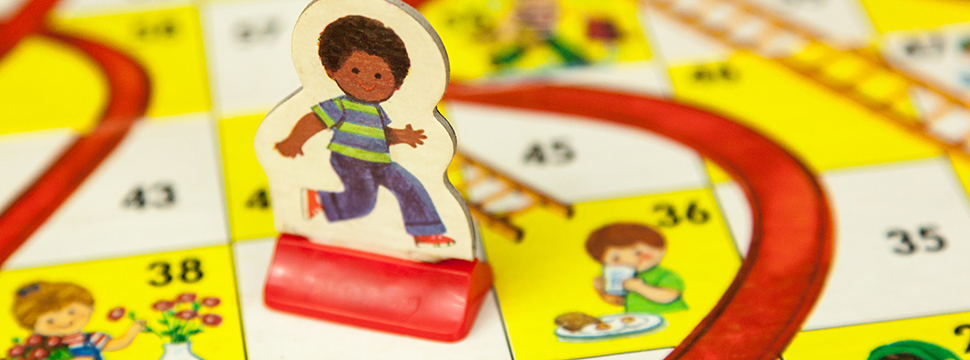
Do you remember playing Chutes and Ladders? It was thrilling and empowering as you climbed your way up the board game, only to be humbled when a chute sent you sliding back. The game is an apt metaphor for life: we move forward, hit setbacks, recalibrate, and keep going — the essence of what it means to be personally resilient.
But building your personal resilience is like building muscles in the gym. Continual practice is essential.
4 Key Takeaways for Building Up Your Resilience
The "other APA" — that is, the American Psychological Association — provides guidance on building your resilience. It defines it as a "roadmap for adapting to life-changing situations and emerging even stronger than before."
Here are some ways to strengthen your resilience skills.
CONNECTIONS MATTER
With the increase in remote/hybrid work arrangements and virtual meetings, getting face-to-face connections can be difficult. The people in your network or community, however, play an important part in building your personal resilience.
American Planning Association (APA) President Sue Schwartz, FAICP, has spoken about the importance of being a part of the APA community, especially during times of uncertainty. Through this APA, you have access to a nationwide network of colleagues. Who else would better understand what you do than a fellow planner?
There is also value in being able to quiet the work brain and not talk about planning. That's when other community groups can be beneficial, because they can present an opportunity to connect and talk about things other than your career.
Ways to connect could include:
- Engage in events or activities hosted by your local APA chapter.
- Look for civic organizations, volunteer opportunities, or faith-based groups with which you share a common interest.
- Join a recreation sports league or find a local book club in your community.
TAKE CARE OF YOURSELF
As simple as it sounds, focusing on the basics of self-care — nutrition, sleep, and movement/exercise, for example — is vitally important. Establishing a great foundation of care can help you better manage stress, fight off illness, and better adapt to life's ups and downs.
Ways to practice self-care:
- Take a daily walk.
- Focus on eating nutritious foods.
- Establish a sleep routine to improve quality and quantity.
FOCUS ON YOUR PURPOSE
Read any article about stress relief or how to deal with life's challenges, and many will point to the importance of finding your purpose. In the APA Passport course, "It's Not Personal: Self-Care Tips to Avoid Burnout, Conflict, and Contentious Community Meetings," speaker Heather Heffernan, AICP, shares how knowing your "why" can help you stay focused, find purpose and meaning, and better handle the hard days.
You can also opt to set mini-goals for yourself, which are helpful — especially if larger goals will take months or years to accomplish. The small milestones feel more achievable, and accomplishing them can help give you momentum to carry on.
Finally, some find it beneficial to contribute back to the community through volunteer activities. Helping at a food kitchen, food bank, or shelter can help you feel like you are contributing to the greater good.
Ways to find your purpose:
- Identify what your 'north star' or purpose is for the work you do.
- Celebrate milestones on the way to achieving larger, longer-term goals.
- Volunteer in the community.
SHIFT YOUR MINDSET
Is the glass half full or half empty? For the most part, it's a matter of perspective. The "other" APA (American Psychological Association) says that how you think can directly impact your feelings and how well you manage challenging situations or experiences — and how you bounce back from negative experiences.
Employing positive-emotion skills that lift the mood can help build the psychological resources needed to keep going, like noticing positive events and practicing self-compassion. UCLA Health finds that practicing gratitude can improve mental wellness and help shift your mindset. Additionally, positive physical impacts such as lessening anxiety, relieving stress, and improving sleep are pointed to as direct benefits of a gratitude practice.
Ways to shift your mindset:
- Begin a meditation practice.
- Start a gratitude journal or practice.
- Create and recite self-affirmations.
Commitment to Resilience
Building your personal resilience won't happen overnight. But by establishing a consistent practice, you can better manage difficult times when they arise. If we learned anything from playing Chutes and Ladders, even the player who hits consistent chutes can come out the victor, so it's important not to give up.
Top Image: A circa 1980s board game of Chutes and Ladders. Photo by Erin Cadigan | Dreamstime.com
ABOUT THE AUTHOR