

Investing Attention Wisely: Rethinking Productivity
summary
- By directing time and attention where it matters most, planners can help strengthen their judgement, keep projects moving with purpose, and help avoid burnout.
- Instead of trying to better manage time to do every task, organizational capacity expert Hilani Ellis recommends a shift to Time Economics — focusing time where it will deliver the greatest return.
- An alternative approach, slow productivity, values doing fewer things at a sustainable pace to produce higher quality results.
In planning, projects do not move on their own; planners keep projects moving. Shepherding a project from concept to implementation requires not just focus and dedication, but a consistent level of productivity.
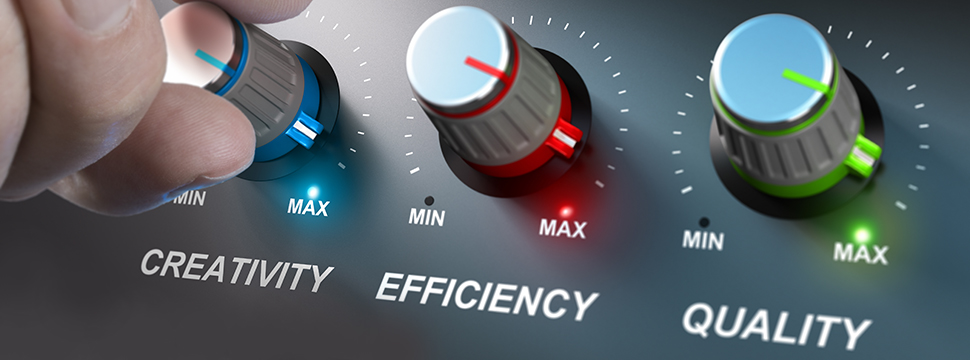
That said, productivity is not a dial setting that can be fixed in place. Planners are human: energy fluctuates, and attention can fade. Recognizing the human limits of sustained productivity is a reminder that managing energy and attention intentionally is part of our professional responsibility.
How can you stay productive without risking depletion or worse, burnout? Effective time management is key. More importantly, it is about making deliberate choices about where attention belongs, rather than simply controlling every hour of the day. By rethinking how time is structured and utilized, you can build a more sustainable form of productivity that supports both professional momentum and personal well-being.
From Time Management to Time Economics
Hilani Ellis, a consultant and expert in organizational capacity and productivity, challenges the notion that productivity is simply about better time management. Ellis has built her professional work around helping teams understand not just how they spend their hours, but how those hours affect their ability to advance meaningful work.
Ellis argues for what she calls Time Economics. Instead of trying to fit more tasks into every hour, Time Economics focuses on directing effort where it delivers the greatest return. Time, in this framing, functions like currency. It can be spent impulsively, or it can be invested strategically. This approach asks you to consider not just how long tasks take, but how much real value those tasks generate, and whether attention is being invested in work that truly advances project outcomes.
Reactivity, for example, can be easily mistaken for productivity. Answering emails immediately, responding to each request as it arrives, and attending every meeting can drain energy and limit time spent in other areas. What feels efficient in the moment often slows meaningful progress across the week and beyond.
"Busy environments reward reactivity because it looks productive, but over time, it's exhausting."
— Hilani Ellis, organizational capacity and productivity expert
"Busy environments reward reactivity because it looks productive, but over time, it's exhausting. When everything feels urgent, the real productivity gain comes from deciding what can wait a few hours without consequence. That pause creates space to be proactive instead of reactive, which improves outcomes and conserves energy in environments that constantly demand attention," Ellis says.
Even moving one non-critical task a few hours forward can shift the tone of a day. That small act protects capacity and increases the likelihood that high-impact work receives sustained attention. It also improves decision-making by giving you time to respond with intention rather than urgency.
Embracing "Slow Productivity"
While Ellis' Time Economics centers on how effort is allocated within a limited timeframe, a similar philosophy called "slow productivity" values doing fewer things at a sustainable pace to produce higher-quality results.
Slow productivity focuses attention on meaningful work rather than constant busyness, the core idea being that real productivity comes from producing results that matter over the long term, not from a steady stream of rapid but low-impact activity.
At first glance, doing fewer things with greater focus can seem risky. Wouldn't that simply create a backlog of unfinished tasks? Slow productivity does not suggest ignoring responsibilities. Instead, it reframes the backlog as a managed queue; not every task carries equal weight, and not every request requires immediate attention. By intentionally allowing lower-value tasks to wait, you can reduce the churn of shallow activity that often keeps lists long and limits progress.
Slow productivity protects both focus and well-being by pushing back against the mental strain of constant task switching. Research shows that multi-tasking causes efficiency to drop and mental fatigue to rise. Over time, consistent divided attention will increase stress and make it harder to do thoughtful, high-quality work.
When you focus on one meaningful task at a time, your brain gets a chance to work the way it is designed to work. Instead of scattering attention across 10 things, you can make real progress on one thing. That kind of focus leads to clearer thinking, fewer mistakes, and work that actually moves forward without making you feel drained by the end of the day.
Protecting Deep Work
One of the most effective ways to translate the principles of Time Economics and slow productivity into daily practice is by protecting time for deep work. Deep work refers to uninterrupted focus on tasks that require analysis, writing, problem-solving, or careful judgment. Seen through the lens of Time Economics, these focused periods are strategic investments, where time is directed toward the work that moves projects forward most effectively.
Deep work does not require setting an entire day aside. Even one or two focused blocks each week can produce noticeable gains. The key is to schedule these periods intentionally and treat them as essential as any other commitment. Following through by closing email, silencing notifications, and reducing interruptions during these windows will further allow attention to settle on the task at hand.
Productivity with Intention
Productivity in planning is not about squeezing as much work as possible into the day. It is about directing time and attention where they matter most. Recognizing time as a finite resource, resisting reactive habits, and protecting space for deeper work can result in greater productivity. When you invest your hours with intention, it will preserve capacity, strengthen judgement, and keep projects moving with purpose.
Top image: iStock/Getty Images Plus - olm26250
About the author