

Uncovering JAPA
Where Will the Warehouses Go?
JAPA turns research into action. All APA members have access to JAPA and its full archive.
summary
-
A national review of 92 warehouse and distribution-related zoning actions found that local governments most often rely on discretionary tools such as permit denials, moratoriums, and conditional use permits to manage logistics development.
-
These tools often fail to address broader environmental justice concerns and can produce inconsistent outcomes.
- Planners should evaluate how zoning decisions may shift warehouse development and freight impacts into historically overburdened communities, creating disparate impacts.
Warehouse and distribution centers are now the dominant commercial and industrial land use in the United States. Despite high demand for one-day delivery, many balk at sharing a backyard with an Amazon logistics center. When communities block new warehouses, developers often move facilities to less freight-efficient areas without the same regulations. Environmental justice principles add nuance to the wholesale ban on logistics centers.
In "Logistics of Zoning, Zoning for Logistics: Toward Healthy and Equitable Development for Urban Freight." (Journal of the American Planning Association, Vol. 92, No. 1), Travis Fried, Carla Tejada, Sarah Dennis-Bauer, Otgondulam Bolbaatar, Anne Goodchild, Julian D. Marshall, Oliver Olmedo, and Lizándro García sample the latest zoning actions against warehouses.
Zoning for Logistics
The authors synthesized recent U.S. zoning actions on warehousing and distribution centers (W&D) through the lens of environmental justice. The study found discretionary permitting was the most common response to new W&D development, offering important opportunities for public participation and improved development conditions. However, without higher-level policy, development may not align with planning or community priorities.
The research examined a variety of development types across the country, from micro-fulfillment centers to a 6-square-mile logistics park. Aesthetic or environmental concerns were most often cited, a possible indicator of broader exclusionary zoning practices linked to class– and race–based segregation.
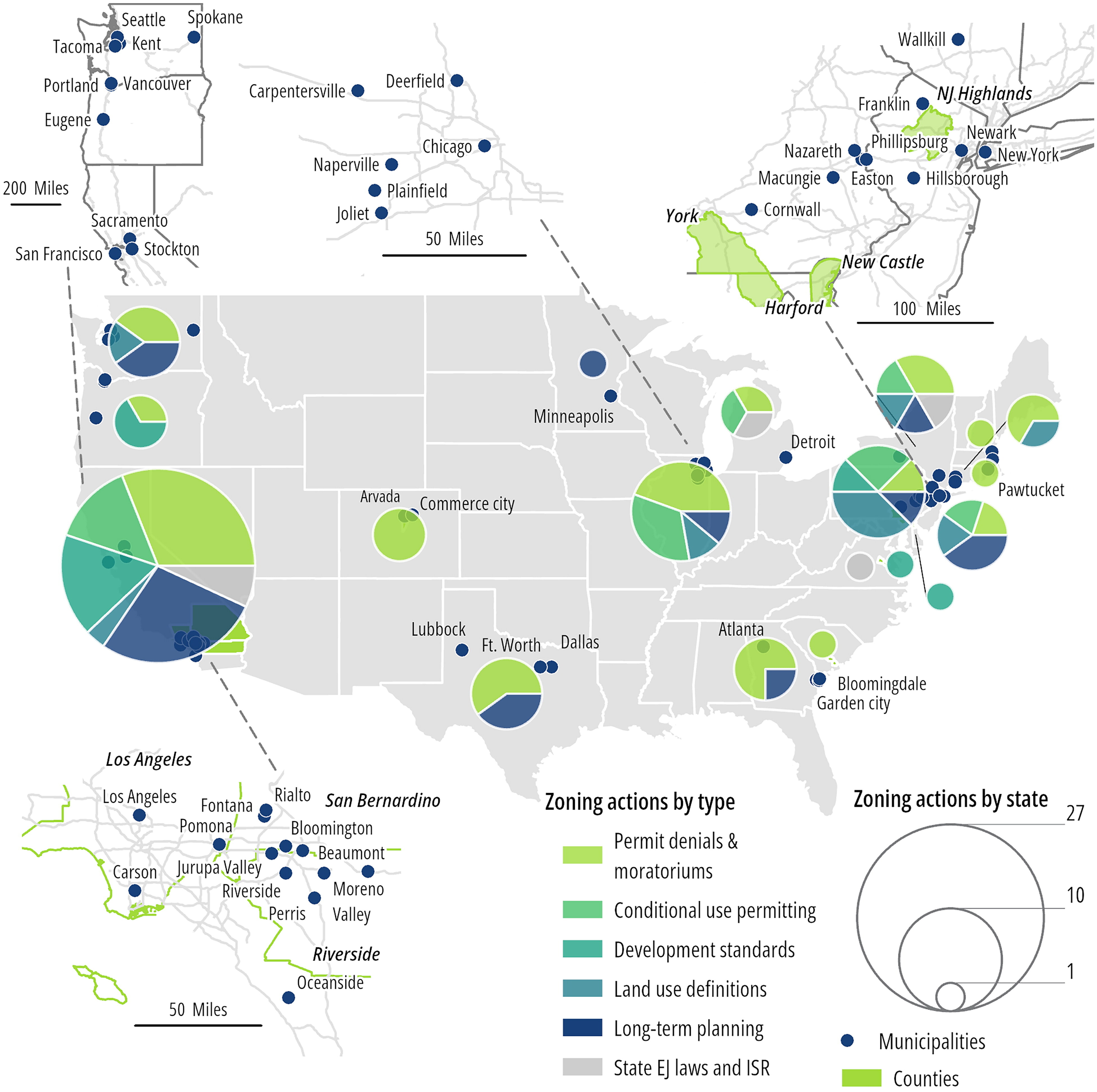
Figure 1: The 92 sampled W&D-related zoning actions. (Credit: Authors)
Rather than seeking to represent all zoning-related policies, the authors focused on the forefront of zoning responses to W&D development. They identified 92 cases at 67 locations using successive layers of policy scans, news headline searches, and government document reviews. The study used review by multiple authors of public documents to reduce bias and ensure robust interpretation.
Their sample consisted mostly of large sites — the average facility size was around 1 million square feet of floorspace. Nearly half were greenfield developments (e.g., rezoning farmland to industrial) and a quarter were brownfield (e.g., repurposing abandoned industrial or contaminated sites).
Disparate Impact and Exclusionary Zoning
Environmental justice can be incorporated into zoning codes, maps, and public participatory processes, as described in APA's Environmental Justice and Zoning Reform Planning Advisory Service report. Particularly important is the concept of disparate impact, which is a "discriminatory effect by a law on a [Title VI] protected class," whether intentional or unintentional.
Zoning can create disparate impacts by attracting W&D development toward historically overburdened or underrepresented communities, or by failing to mitigate the negative impacts of a new warehouse. Exclusionary zoning that prohibits W&D in wealthier areas can push industry into overburdened communities without those same protections. The authors make clear that equitable development for urban freight must consider disparate impacts.
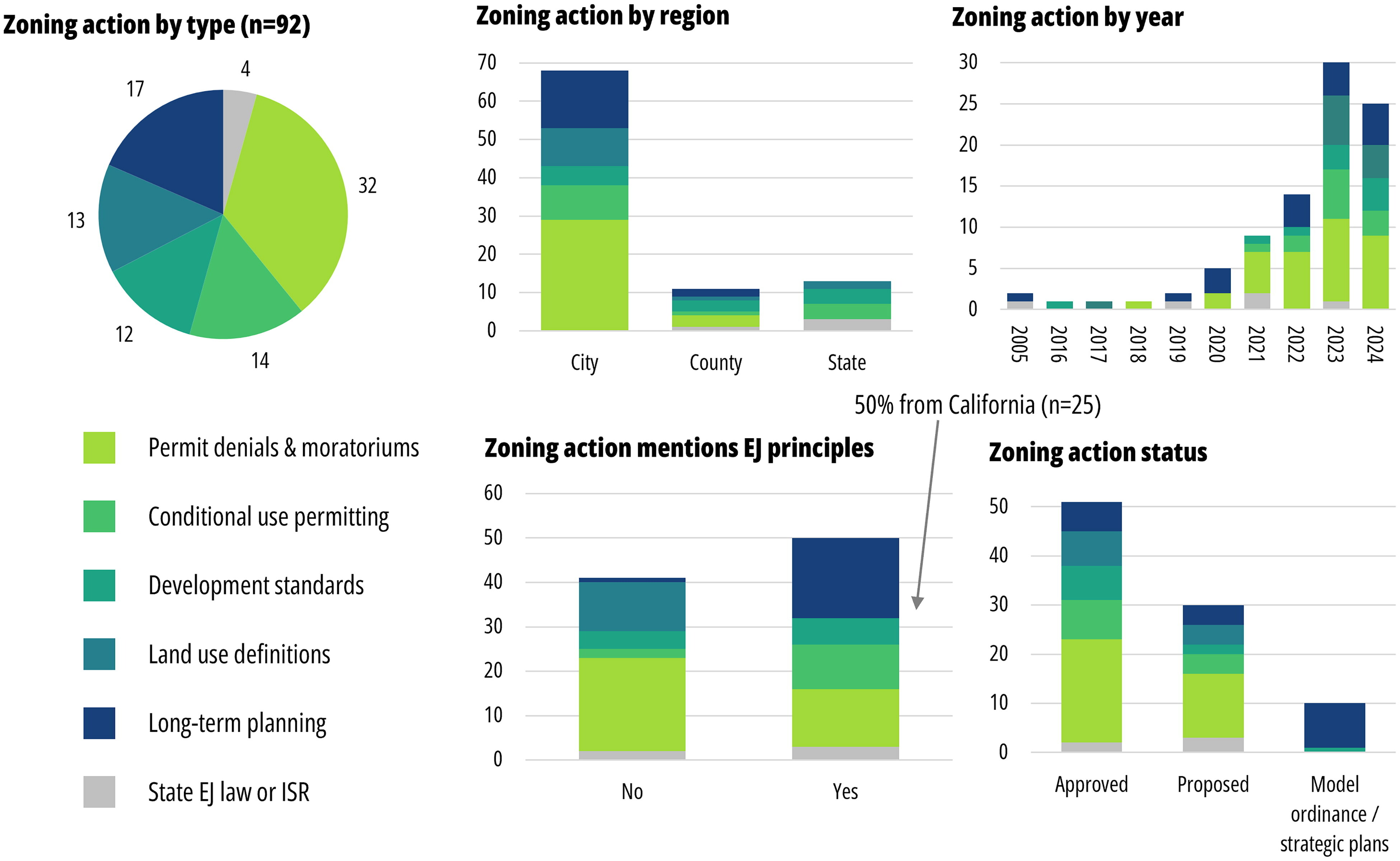
Figure 2: Overview of sampled zoning actions. (Credit: Authors)
Piecemeal Discretionary Tools
The authors found moratoriums and permit denials were the most common zoning action taken on new W&D development in their sample group. This kind of discretionary action often involves community input to the zoning council. Councils might deny W&D permits to preserve community character (New Castle, Delaware) or to protect neighborhoods already burdened with freight traffic.
Only one in three cases raised environmental justice issues. These included loss of access to green space and failure to provide Spanish-language public notices and hearings. The authors documented the concerns cited during hearings and decisions. In Tacoma, Washington, neighborhood groups found an ally in state environmental agencies, which required full environmental reviews or prescribed mitigations.
Also a discretionary zoning tool, conditional use permitting or authorization, was the next most-used tool for managing the sample group's W&D development. Conditional use permitting piles on additional criteria for development before approval. Most cases include requirements for facility size and distance from sensitive locations such as schools, housing, or hospitals. This type of permitting offers flexibility to deny or modify development, but it does not provide the same level of control as development standards and land-use definitions
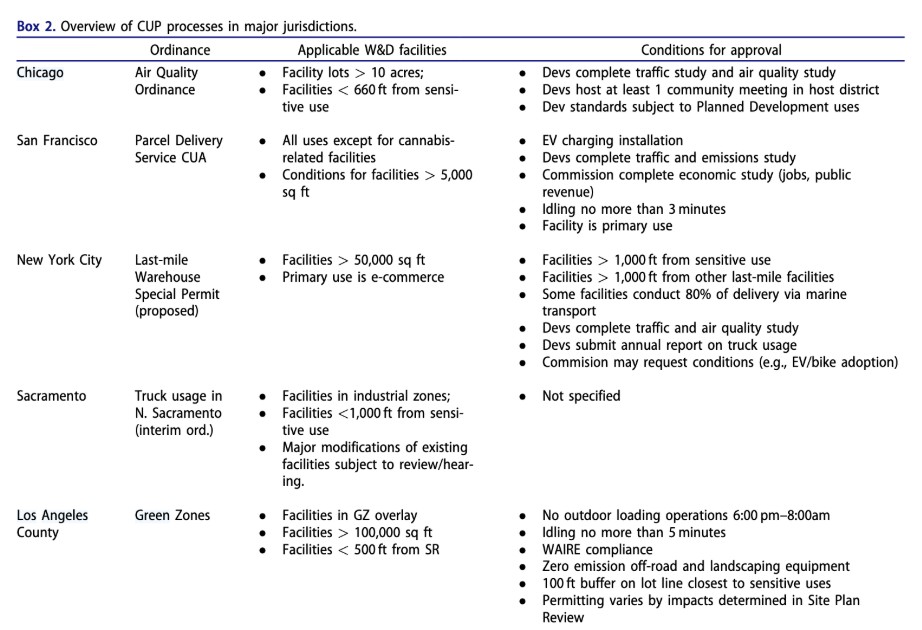
Table 1: Overview of CUP processes in major jurisdictions. (Credit: Authors)
Conditional use permitting is a contentious tool. In Chicago, developers argued that district-level discretion slows or freezes development because it is difficult to determine which traffic and air quality mitigations are acceptable in different neighborhoods. Environmental justice groups said there's no assurance that community input is captured on projects.
Meanwhile, only New York City and San Francisco's conditional use permit provisions consider last-mile delivery and its impacts on sensitive groups. New York City seeks to reduce W&D development near schools, parks, nursing homes, and public housing. The city offers less impactful alternatives in its development conditions, including the adoption of e-cargo bikes and waterborne freight. Los Angeles County offers conditions like no nighttime outdoor loading operations and no idling more than five minutes.
Regulatory and Strategic Tools
Development standards at the local or state level offer requirements or best practices to minimize impacts. These commonly increase buffering and screening requirements, ranging from 10-foot setbacks to 500-foot separation between truck loading doors and a sensitive lot's property line.
The science supporting these provisions remains an open question. For example, how effective is that shrub at filtering air pollution from the loading dock? Some states rely on developers to submit impact analysis to inform council decisions. A California bill required mobile air monitoring systems to measure air pollution in communities near logistics land uses.
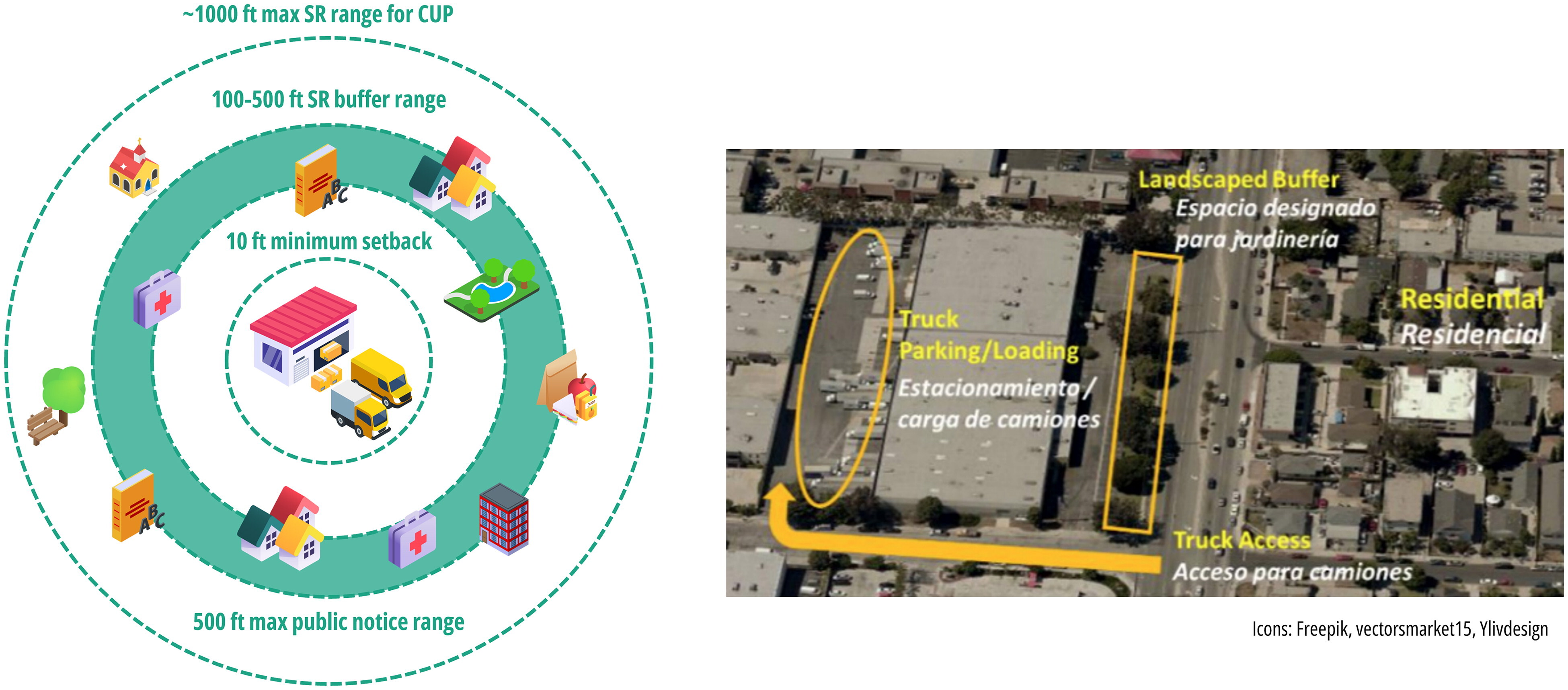
Figure 3: Observed buffer ranges in sampled development standards (n=12) and example of SR-based site design for W&D. (Credit: Lost Angeles County, 2024)
Land use definitions determine where W&D are permitted by right, as well as development standards and conditional use permitting. The authors found W&D were permitted in nearly all industrial zones. A few cases permitted them in denser commercial and mixed-use zones. Amendments could effectively zone out W&D, as in the wealthy suburb of Deerfield, Illinois. Without offering alternatives or options for mitigating impacts, this tool pushes warehouses and freight traffic into other neighborhoods, failing to address disparate impacts.
Sampled cities' long-term plans may cite environmental justice principles, but they often offer only broad considerations for urban freight and industrial development. Secondary city and suburban plans centered economic goals on industrial development, with few provisions to reduce disparate impact. Environmental justice principles are featured in Seattle's Industrial and Maritime Strategy. The plan emphasized the importance of industrial land while recommending some industrial rezones in neighborhoods.
Top image: Photo by iStock/Getty Images Plus/ halbergman
ABOUT THE AUTHOR