
Shifts in U.S. Foreign Policy
About This Trend
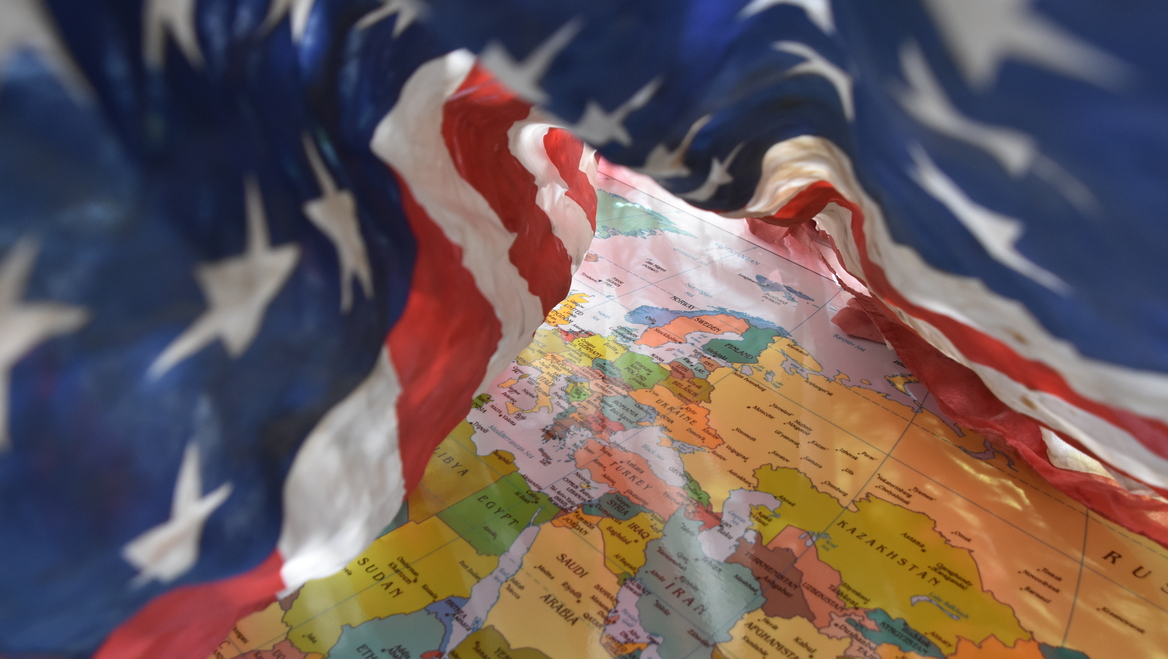
Recent shifts in U.S. foreign policy reflect a clear departure from the post–World War II tradition of multilateral engagement toward a more insular, transactional, and unilateral approach. In July 2025, the Trump administration closed the United States Agency for International Development (USAID), a cornerstone of American soft power and global engagement for many decades. The State Department justified the move by stating that USAID funding is not aligned with national interests. While the full consequences of this decision have yet to unfold, early analysis points to a growing death toll and worsening humanitarian conditions in developing nations.
The U.S. also withdrew from the Paris Agreement and related UN climate initiatives for the second time in 2025, and in January 2026, it left the UN Framework Convention on Climate Change, or UNFCCC. In the meantime, other nations are stepping forward to play bigger roles in the global climate agenda. China, for example, has introduced new emissions targets and expanded investments in renewable energy, positioning itself as a major global player in climate governance. While the international community continues to pursue climate action, without U.S. engagement, global progress risks becoming increasingly fragmented.
Beyond climate-related programs, the U.S. withdrew from more than 60 international organizations in 2026, including 31 affiliated with the UN, arguing that the work of these bodies is a waste of taxpayer dollars and contrary to the interests of the U.S. This weakening of U.S. influence abroad constrains opportunities for global collaboration through cross-border knowledge-sharing, especially in the public health field, that has long enriched the U.S. and the planning profession. The consequences for planners of reduced federal engagement in multilateral urban and climate platforms are yet unclear, but this shift will likely make the role of other governmental bodies, nonprofit organizations, and private entities more important in continued cooperation and knowledge exchange.
Trend Category:
Politics and Geopolitical Dynamics
Timeframe: Prepare
As Seen in APA's Trend Report
Related Trends
Trend Reports