
Jan. 22, 2026
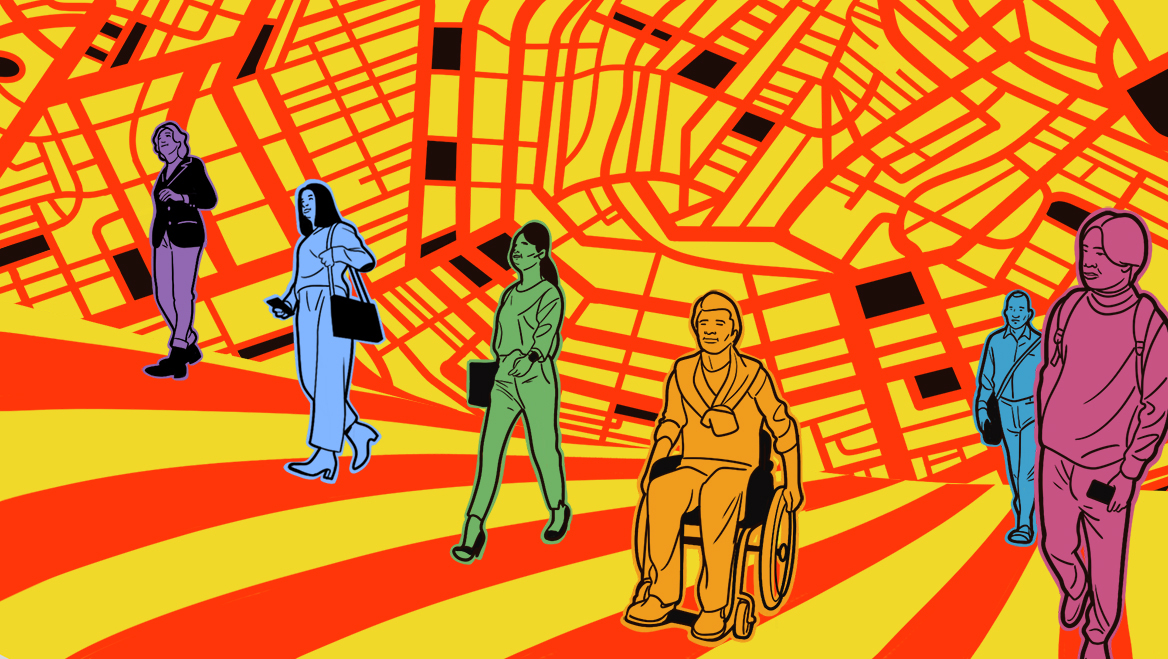
For the first time in history, six generations — from Gen Alpha to the Silent Generation — are working together. Included in the mix are Gen Z, millennials, Gen X, and baby boomers, who comprise the majority of today's workforce. Each generation has its own distinct life experiences, communication styles, and expectations that can bring challenges and opportunities to the workplace.
The rapid pace of societal and technological change only heightens these complexities. The COVID-19 pandemic reshaped expectations around workplace flexibility and accelerated the adoption of digital tools, while artificial intelligence (AI) is transforming how we work. And as boomers near retirement age, nearly 76 million workers may leave the workforce, altering career pipelines and institutional knowledge.
In October 2025, the American Planning Association (APA) brought together five planners for a panel discussion, "Six Generations, One Workplace: Bridging Values, Expectations, and Change." The multigenerational group shared their thoughts about how this unprecedented moment influences current practices and what it means for the profession's future.
Different paths, shared purpose
We've all heard generational stereotypes, but planners tend to root their careers in similar motivations. Baby boomer Don Roe, executive director of the St. Louis Planning and Urban Design Agency, says he was "attracted to community and trying to make things better for people."
Gen Zer Adalee Wasikonis, a recent recipient of a master's degree in urban planning and policy from the University of Illinois Chicago, entered the field for similar reasons. Wasikonis says she chose her career to "be that bridge between decision-makers and community members, so we can make decisions together — planning with the community instead of for them."
Shared values can unify planners among age groups and remind teams that they are working toward the same goal, despite differing experiences or expectations. "It's important for all of us to learn from one another," says millennial Nader Afzalan, PhD, program director for Sustainable Environmental Design at the University of California, Berkeley and founder and CEO of The Triangle.
Get the right vibe: Prioritize the 'why'
For generations to work together effectively, don't just talk about "what" and "how," Afzalan says. "Talking about that 'why' we are doing all of this creates that shared narrative for all of us to be on the same page," he says.
Building trust across ages
Open communication is the backbone of successful multigenerational teams, and you can't have that without trust. Emerging planners often encounter doubts about their work ethic or readiness — a dynamic that can close the door on meaningful collaboration. Trust also can become complicated when roles shift and younger planners assume leadership positions.
Experienced planners may assume that "young people don't like to work," says Gen Zer Destiny Brown, panel moderator and PhD student in urban planning and development at the University of Southern California. Those assumptions can prevent emerging planners from offering insights that could improve projects or strengthen community engagement.
Helping emerging planners ease into the workforce and recognizing "there will be a learning curve" creates rapport, Wasikonis says. "Even though we are younger, we hope to still be seen as equal and respectable as everyone else in the workplace."
Ultimately, cultivating trust requires openness to challenging assumptions and the willingness to see colleagues of all ages, experiences, and backgrounds as collaborators. "The best way to bridge those gaps is by staying curious, asking questions, listening, and generally wanting to understand where others are coming from," says millennial Dayea Shim, AICP, senior planner at HHF Planners.
A hidden gem of advice: Discover shared hobbies across age groups.
It might sound simple, but Roe says finding similar interests can be a huge help to "have that common bond and relate" to one another.
Multigenerational collaboration as a strength
While generational differences can create friction, they can also lead to dynamic teamwork if organizations are willing to rethink traditional hierarchies. "We need to break the seniority cultures within our workplaces," Roe says.
Instead of relying on rank to strengthen their work, teams can collectively return to the "why" behind decisions from a multigenerational angle. Roe says he accomplishes this through reverse mentorship. "You get an understanding of the context of something that came before you, or the challenges and concerns of somebody that's coming after you," he says.
Brown considers this process "cross-collaboration," rather than mentorship, which can be hierarchal.
Experience still matters. Some knowledge, like how a department works or decisions flow, "takes time for a younger generation to figure out," Afzalan says. Often, experienced colleagues can help impart those lessons. "Each of us can learn from one another," he says.
But for real: Take the initiative to work with emerging planners.
"It's really important to know 'What does it look like to break the ice?'" Brown says. "How can you be a little bit more open with yourselves as people, outside of [being a] worker, in the workplace?"
RECOMMENDED ARTICLES