
Changing Educational Institutions
About This Trend
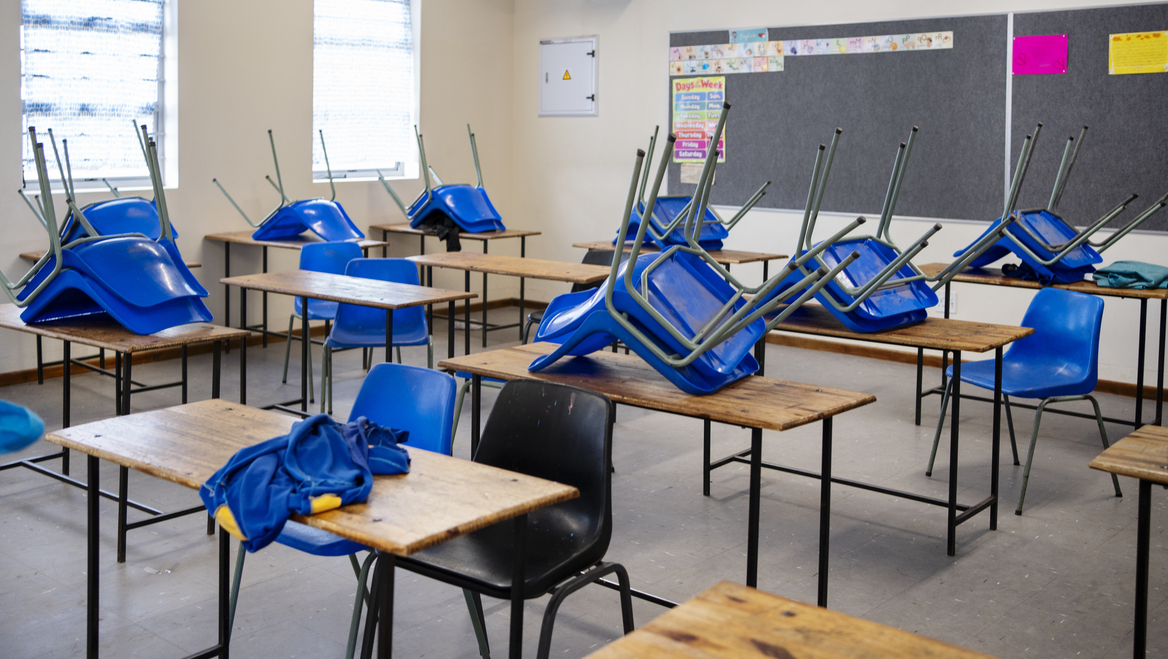
Across the U.S., public school enrollment continues to decline, with projections showing a loss of 2.4 million students (4.9 percent) by 2031. This decrease stems from a complex mix of factors, including falling birth rates, post-pandemic migration patterns, and the growing popularity of private schools and other educational alternatives. Roughly a dozen states have now established Education Savings Account (ESA) programs that allow families to use public funds to pay for private schooling. At the same time, the expiration of federal pandemic relief funds in 2026 is pushing school districts toward a fiscal cliff. Several states are already anticipating reduced general fund spending for 2026, signaling potential cuts that could have serious impacts on K–12 public education.
Recent federal actions are benefiting private education at the possible expense of public schools. The newly enacted Educational Choice or Children Act (ECCA) establishes what amounts to the nation’s first federal private school voucher program, which critics point out would disproportionately benefit the wealthy and underserve rural students. Moreover, the transfer of Department of Education responsibilities to other agencies and state governments is expected to expand states’ ability to determine how education funds are distributed.
Interest in microschooling and AI-powered educational approaches such as Alpha schools is also rapidly expanding as more parents seek flexible, personalized learning environments for their children. While these models offer greater customization, they also raise critical questions about equity and access.
As this trend persists, planners, especially those working with or for school districts, will need to help communities rethink how to manage and redesign existing educational infrastructure. Public school closures erode community vitality, with negative impacts on property values, public safety, and social connection. Planners can play key roles in identifying adaptive reuses and integrating shared community functions. In addition, local zoning can provide more flexibility for emerging educational models and institutions while maintaining the social role that schools play within communities.
Trend Category:
Social Change
Timeframe: Act Now