

Social Media's Effect on Politics
About This Trend
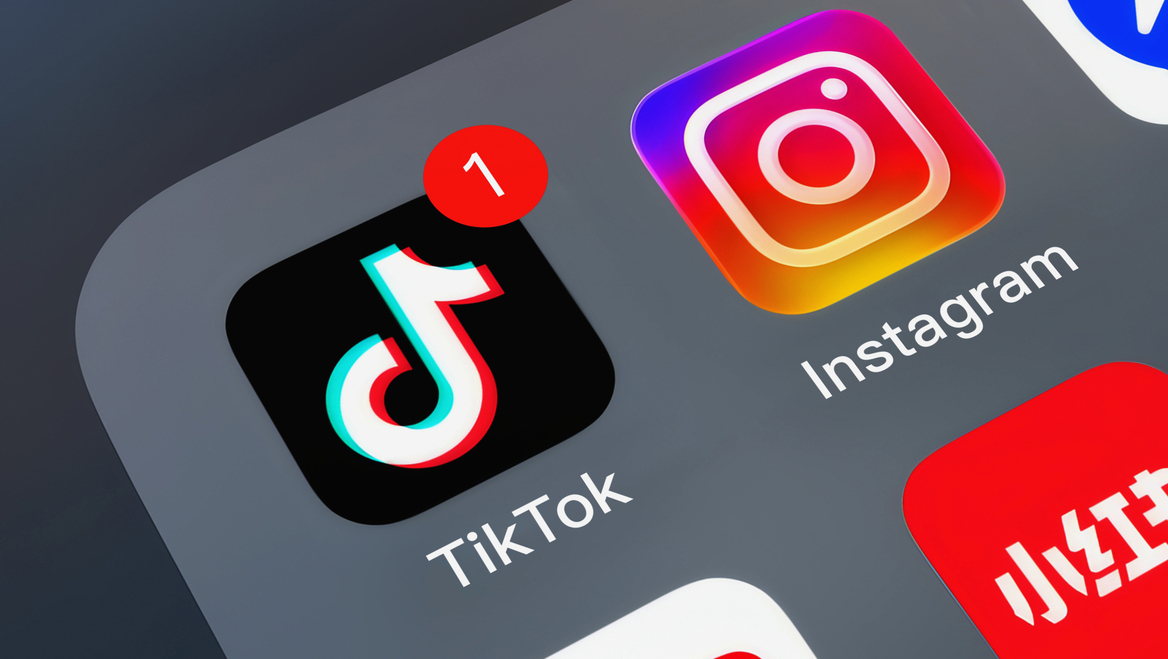
According to Pew Research, 43 percent of young adults surveyed in 2025 got their news from TikTok. This app has evolved into a political arena where users encounter everything from protest footage to partisan commentary.
Social media is now the main driver of political formation for adults under 30. Influencers shape how young people perceive fairness, power, and opportunity far more than traditional institutions do. TikTok and other social media platforms tailor content according to their users’ likes and societal “bubbles,” which results in even stronger ties to one’s political echo chamber. This exposure to one-sided messaging can strengthen hostility toward groups seen as “others” and further exacerbate political polarization.
If planners want to engage younger generations, they must meet them where they are—on social platforms. Planning influencers are already using TikTok to make zoning, design, and urban policy accessible. Social media can serve as a tool for participation and co-creation, helping rebuild trust and relevance among the next generation of community members.
Trend Category:
Social Change
Timeframe: Act Now