

Data Center Boom
About This Trend
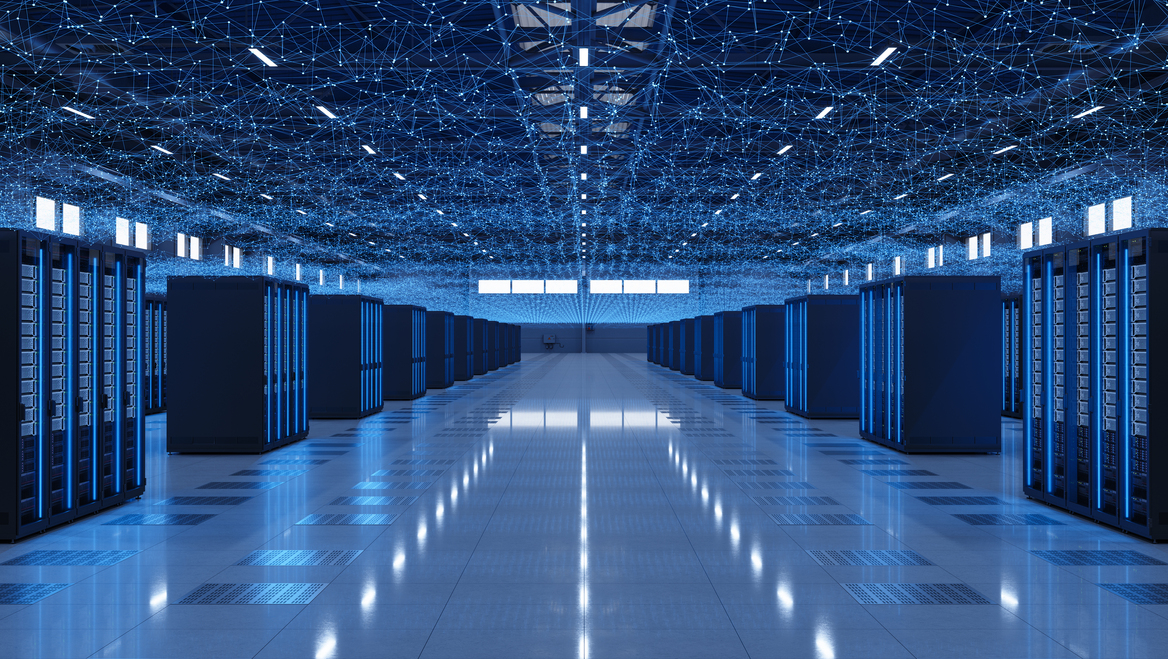
By the end of 2024, 1,240 data centers had been built or planned across the U.S. As artificial intelligence use increases both by companies and in individuals’ daily lives, data centers have become a necessary piece of infrastructure to support growing demand. Developers are targeting suburban and rural communities for this buildout, offering economic investment many haven’t seen since the fall of the U.S. manufacturing industry. However, reports show that communities don’t benefit economically from data centers. In fact, data center siting is becoming increasingly controversial as electricity costs surrounding them soar and researchers document their pollution impacts on public health.
To mitigate some of these harms, several localities — including Seattle in the U.S.; Stockholm, Sweden; Mantsala, Finland; and South Dublin, Ireland — have begun to harness the excess heat that data centers emit to warm nearby neighborhoods. Larger companies such as Google and Amazon are investing in nuclear power for data centers, but the infrastructure is even more costly and time-consuming. And some tech giants have proposed building data centers in space.
Local planners are key actors in data center siting through zoning and community outreach processes. APA’s Zoning Practice and Planning offer deeper dives into the nuances of zoning and green practices for data centers.
Trend Category:
Transportation and Infrastructure
Timeframe: Act Now
As Seen in APA's Trend Report
Related Publications
Related Trends
Trend Reports