
New Cities
About This Trend
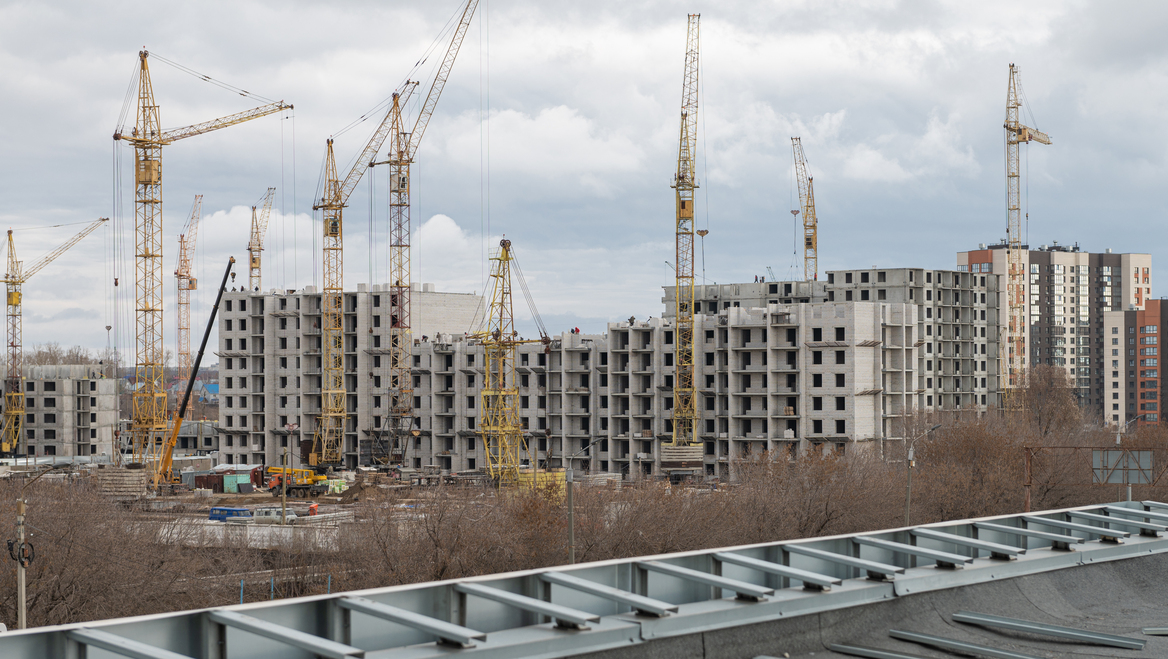
In 2021, Prince Mohammed of Saudi Arabia unveiled plans for The Line, a new city in the desert spanning 170km in a straight line. The city was part of a larger project, Neom, intended to speed Saudi Arabia’s urbanization and diversify the country’s economy. Although Neom has drastically downsized its goals due to a bloated budget and human rights concerns, the new cities bug has spread across the world. From Eko Atlantic in Nigeria to Telosa in the U.S., futuristic utopias funded by the world’s richest men are all the rage. Most of these projects are still in the planning, siting, and construction phases, but some new cities are already up and running, such as Starbase, Texas, located near the SpaceX launch site.
These cities promise sustainability, mobility, and equity for residents. But for new cities planned in arid or inhospitable climates, essential resource management will be a critical challenge from the very beginning. Many of these cities will have a high cost of living, raising the barrier to entry for potential residents. Governance is also a big question for many of these developments, which are founded and funded by people without relevant experience. And environmental activists have taken issue with some proposed developments on currently untouched land.
In some cases, planners are at the forefront of these projects; urbanist Jeff Speck is a partner in the Utah City development outside of Salt Lake City. Planners should be aware of new projects in their regions and how they will affect their communities, work to ensure that they provide a holistic benefit, and collaborate with private entities from the onset.
Trend Category:
Social Change
Timeframe: Prepare