

AI Data Center Pushback
About This Trend
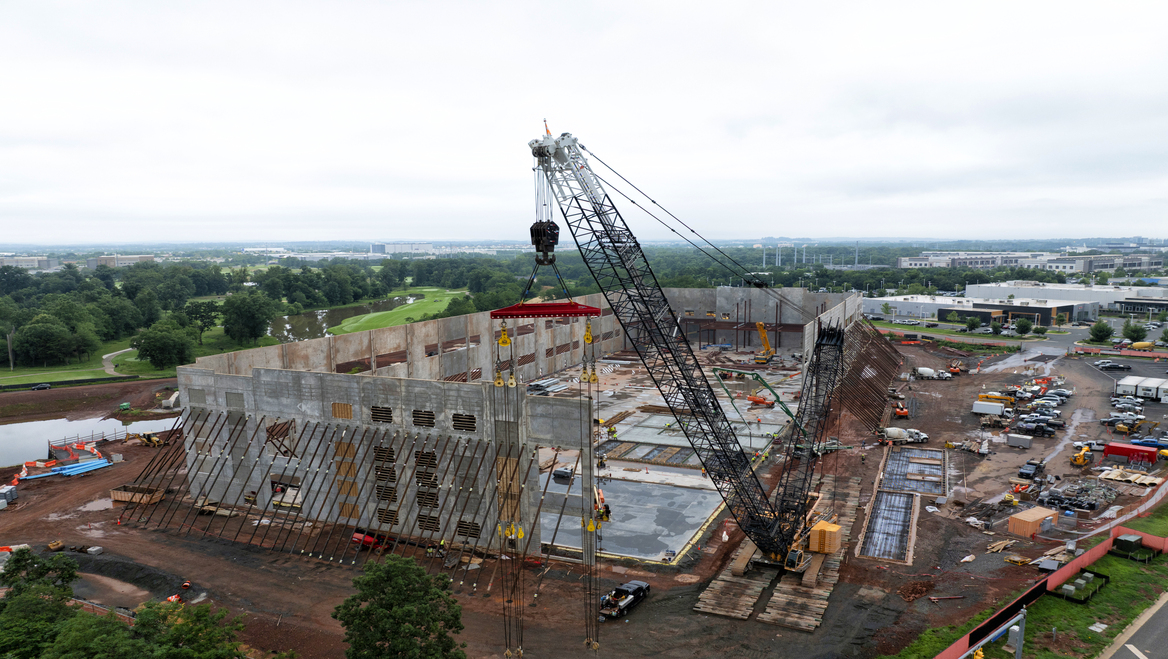
As artificial intelligence (AI) usage and development continue to grow in the U.S., so do energy needs and data storage. Although they have existed for decades, data centers are now proliferating due to the AI boom. Tech companies have targeted small communities with ample vacant land to host these huge buildings. These investments may seem like economic lifelines to one community, but data centers usually provide short-term construction jobs and only a small number of long-term positions. Other communities are rejecting data center development outright. Concerned residents cite increased energy costs and water scarcity as reasons for not wanting data centers near their homes. Energy costs can increase anywhere from 20 to 40 percent after a data center is built.
A plethora of lawsuits and organized community protests have launched against data center developers, with 20 developments either stopped or delayed in March and June 2025. In Indianapolis, Google retracted its rezoning request for a data center after months of petitioning and protesting. Developments planned near existing neighborhoods have seen pushback, as in Taylor, Texas, and Peculiar, Missouri. Residents in Virginia, called by some the data center capital of the world, delayed nine data center projects between May 2024 and November 2025. Howell Township, Michigan, stalled a Meta data center development to create a community-led zoning plan for data centers, including a potential overlay district. Data center developers say that in many cases, rejected plans will be restructured to be more favorable to residents.
Planners are key actors in the data center development process. Continual community feedback, communication, and transparency are vital in ensuring residents are involved in decision-making. Strategies and challenges for data center development for planners are discussed in more detail in Zoning Practice and Planning magazine.
Trend Category:
Climate Change, Energy, and the Environment
Timeframe: Act Now
As Seen in APA's Trend Report
Related Publications
Related Trends
Trend Reports