

Environmental Regulatory Rollbacks
About This Trend
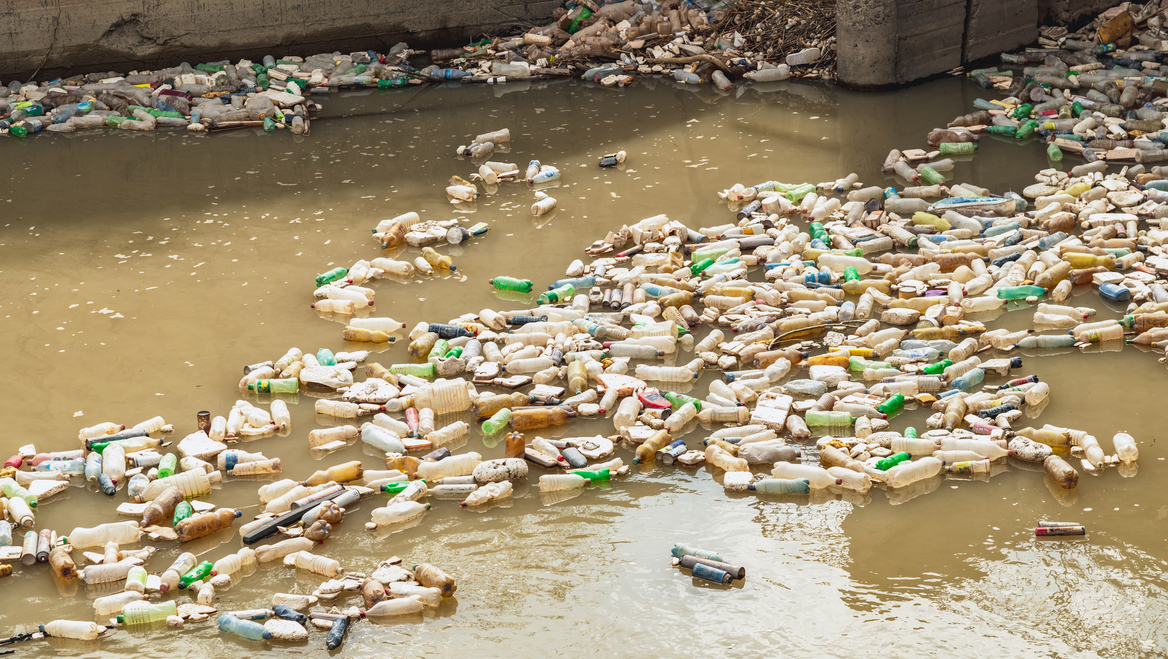
The federal government is rolling back rules and regulations, issuing new executive orders, and cancelling funding for longstanding environmental programs. Sweeping actions are targeting the repeal of regulations and policies for water, greenhouse gas emissions, and the use of protected public lands. This regulatory rollback appears at least partially intended to aid the fossil fuel industry, incentivize the domestic growth of rare earths mining, and move forward on deep sea mining. Many of these actions encourage the growth and expansion of high-emissions industries, prevent the tracking and monitoring of dangerous environmental conditions, and disincentivize the development of cleaner, low-emissions industries and markets. Environmental language has also become contentious, as regulations, policies, and guidance that mentioned climate change and related phrases were scrubbed from federal websites, social media, and public and internal documents. Additionally, federal offices and departments working on climate issues were renamed, downsized, or eliminated.
2025 also saw millions of grant dollars slashed for climate science and emissions reporting, environmental justice, and the study of major environmental hazards in rural and urban areas. These cuts threaten to undo major progress on reducing environmental hazards and improving air and water quality, and terminating climate and clean energy programs will likely worsen economic hardship and health outcomes for vulnerable communities. Communities will be forced to cope with the environmental risks and potential disasters that follow major defunding efforts, along with the long-term health impacts of environmental hazards. In the absence of federal support, planners may need to engage more deeply with nonprofits, state leadership, and regional climate collectives to continue to advance long-term climate, resilience, and environmental goals.
The impacts for planners and communities in the coming years are likely to be profound. Though scientists in the U.S. and around the world are working to continue climate research efforts, the loss of federal support has serious potential local impacts. Funding availability is likely to be an ongoing concern for planners as they try to help their communities cope with growing environmental impacts. State policies and regional partnerships will be increasingly essential to maintaining momentum and reducing long-term climate impacts at the local level.
Trend Category:
Climate Change, Energy, and the Environment
Timeframe: Act Now
As Seen in APA's Trend Report
Related Trends
Trend Reports