

Social Media Influences Tourism
About This Trend
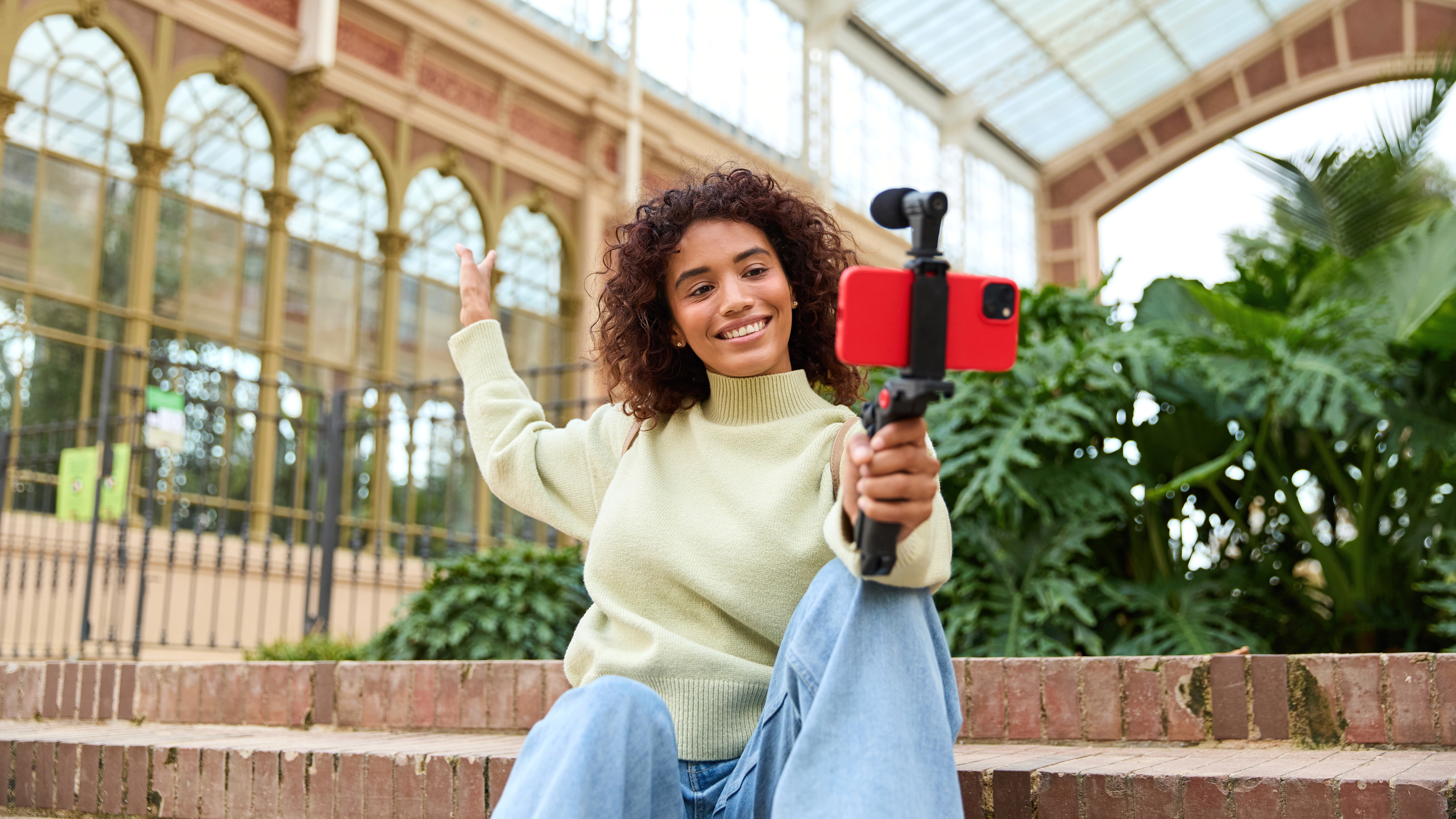
Social media influencers play a huge role in today's tourism industry. Some have inked deals with travel companies, brands, or local tourism boards, and others act as unofficial marketers and photographers of locales. But while social media–driven booms can lead to major economic benefits, the drawbacks can also be significant. Surges of visitors drawn by "TikTok tourism" are fueling pushback from locals and causing negative impacts, in places ranging from tiny Italian coastal villages to Fujikawaguchiko, a Japanese town with Instagram-coveted views of Mount Fuji.
Even when cities have embraced social media and influencers to boost tourism, adaptation to its subsequent impacts has proven difficult. In the U.S., social media has helped grow tourism in Nashville over the last decade, but the city must now address growing conflicts between residents and tourists, disruptive "transpotainment" vehicles in the downtown district, and housing affordability challenges worsened by a short-term rental boom.
However, cities and entire countries are learning they can tap tourism influencers to shape narratives about places and drive economic change. To counter the perception of high crime in Chicago at a time when crime is at historic lows, the city launched a social media campaign to promote the city's culture to potential tourists.
At a larger scale, Saudi Arabia is partnering with travel influencers and boosting tourism to diversify its economy and reduce dependency on the oil industry. In the United Arab Emirates, Dubai has cultivated an image of an influencer hotspot, with the city's tourism board recently launching what they call the world's first "influencer training program."
But in some cases, social media representation can be misleading and even dangerous: critics point to tourists' positive posts about carefully curated travel in Afghanistan serving as propaganda that obscures the country's oppression and violation of women's rights.
Unpredictable shifts in social media trends are difficult to plan for. Planners may be called upon to mitigate the downstream consequences of these disruptions on the form and function of communities. Viral visitors can impact life in large urban centers and rural areas alike, and planners should be prepared for the potential influence of influencers on their communities.
Trend Category:
Social Change
Timeframe: Prepare
As Seen in APA's Trend Report
Related Publications
Related Trends
Trend Reports